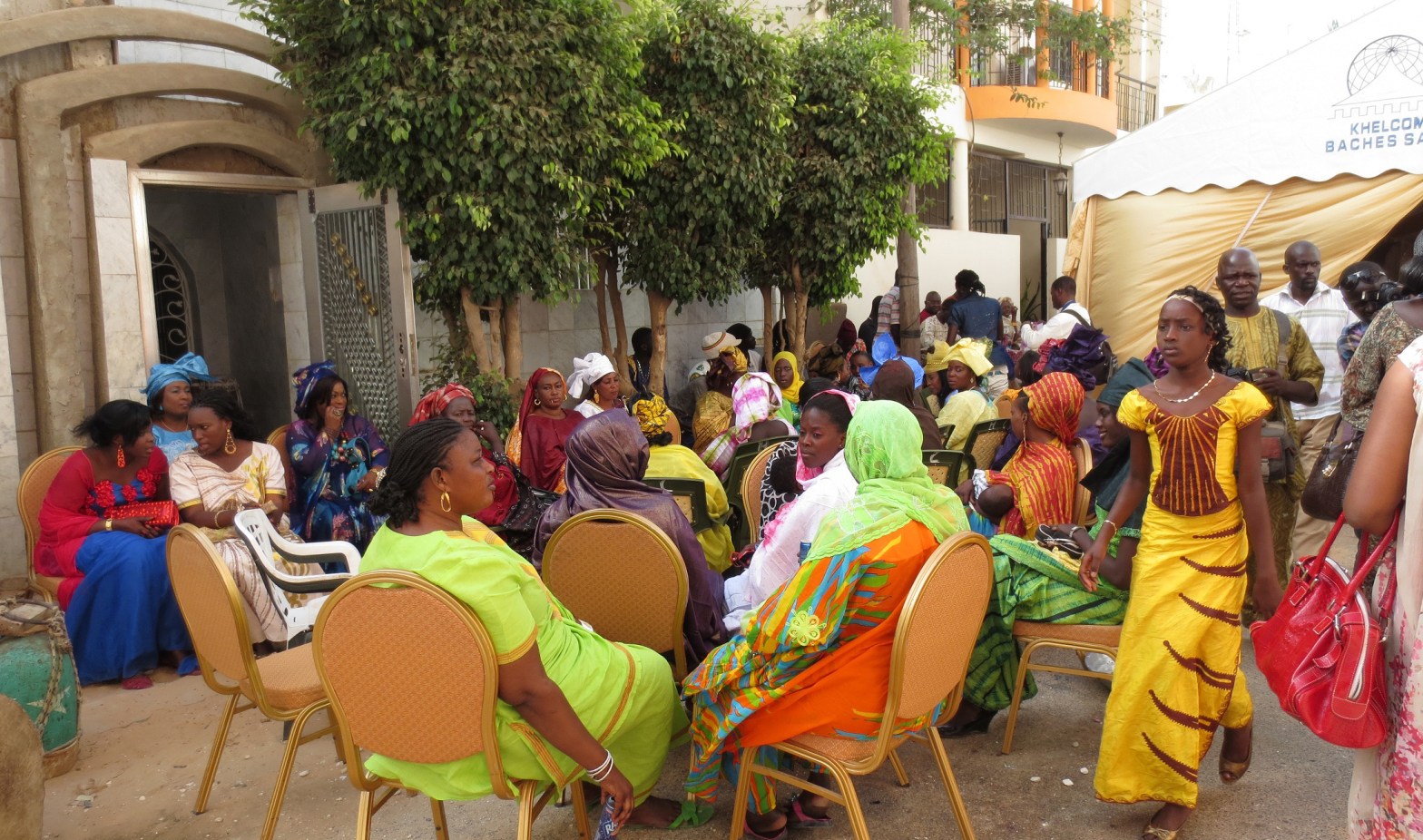
Officially, Senegal has French listed as its official language. Arabic is also widely spoken. Despite this, Wolof is the most common spoken language and serves as a symbol that is indicative of what I have learned so far in regards to Senegalese culture. There are a number of important Senegalese symbols that I could have …
Author Archives: suttliam
Making a social impact in Senegal
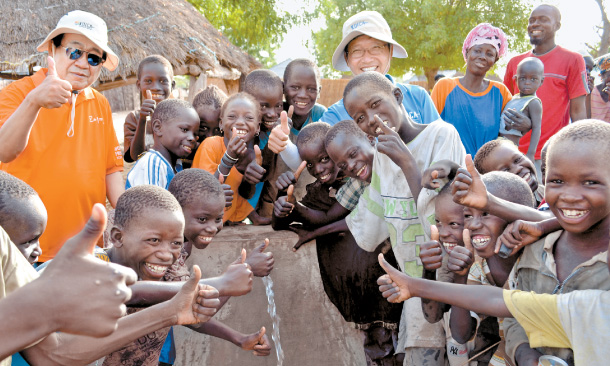
There is a lot of opportunity to travel in a social justice capacity in Senegal. Like any country, Senegal has its fair share of social issues, such as economic disadvantage and homelessness. As touched in my previous blog post, Senegal’s rural agricultural communities face a lot of struggle. It is, however, extremely important to approach …
Festigraff: An Expression Of Self (assessment)
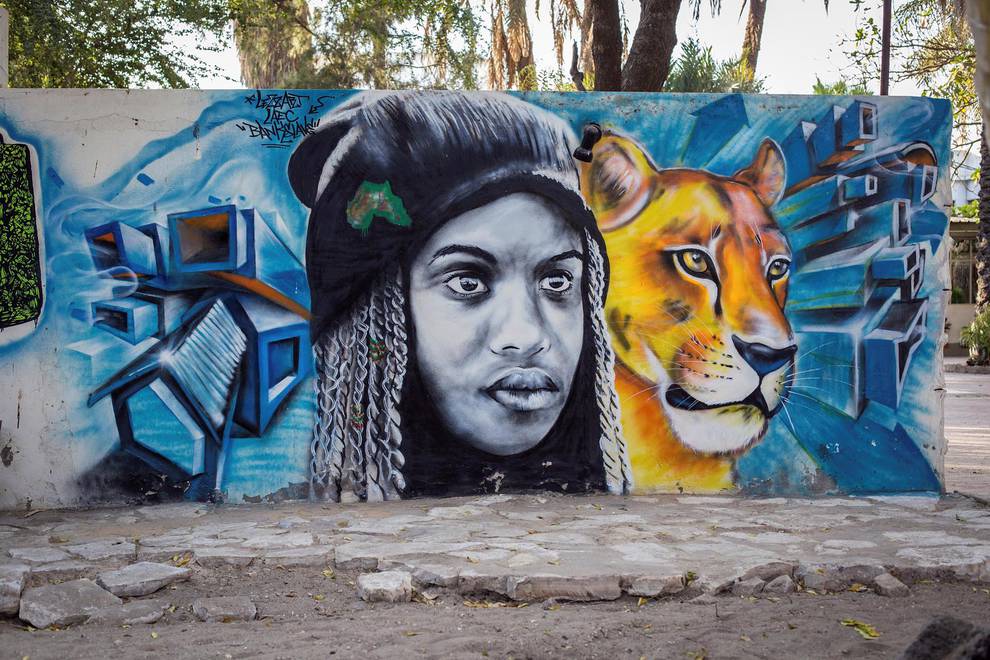
The capital of Senegal, Dakar, is a vibrant and very colourful city. It makes sense then, that it also serves as the hub of the country’s street art scene. Most of the street art here takes the form of spray can graffiti, some of it legal and commissioned, but most of it illegal. The culmination …
Continue reading “Festigraff: An Expression Of Self (assessment)”
Senegal and the African stereotype (assessment)
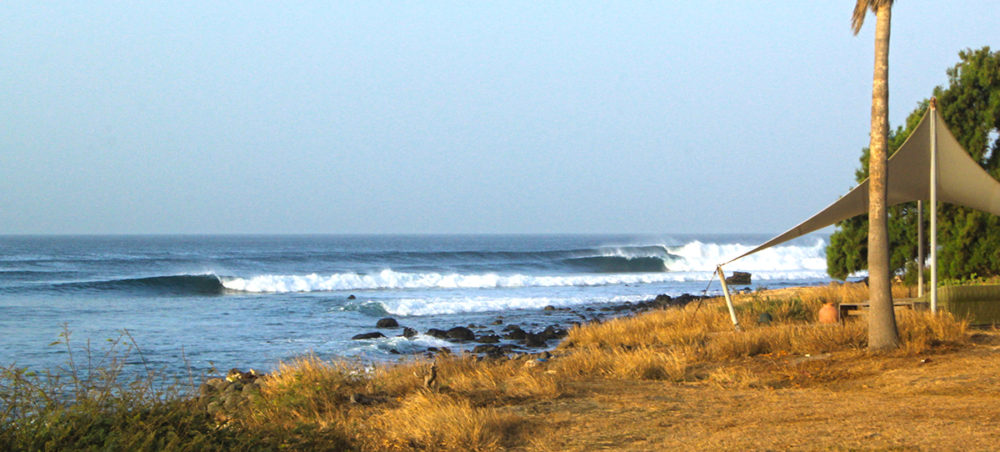
Senegal is not a highly reported on country in the western world, and many people know very little about it (I knew nothing before beginning my research). Despite this apparent lack of knowledge of it from the western world, Senegal faces the danger of being classed as the stereotypical African country. You know the stereotypes, …
Continue reading “Senegal and the African stereotype (assessment)”
Travelling to Senegal: Navigation of the language barrier (assessment)
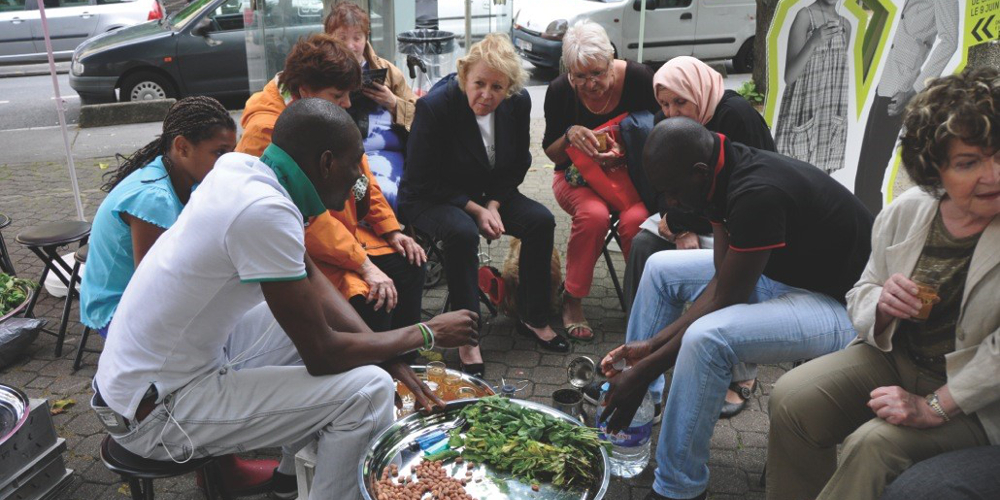
One aspect of travelling to Senegal which would likely provide a big challenge, is the language barrier. As mentioned in previous blogs, the most commonly spoken language is Wolof, and the official language is French. There are also other tribal languages spoken and a small portion of Portuguese. I am an English speaker who is …
Continue reading “Travelling to Senegal: Navigation of the language barrier (assessment)”
 Melbourne to Senegal: A travel blog